
the problem.
Lyme disease is the fastest spreading bacterial infection in the United States - so, it’s prevalent, not rare (yikes…)
It’s transmitted from a tick bite. Recent CDC estimates increased from 300,000 to a whopping 479,000 cases each year (37% increase) in the US alone. And it’s not just Lyme disease, there are many other tick-borne illnesses which include parasitic and viral infections. A major contributing factor (among others) of tick overpopulation and the spread of Lyme disease and tick-borne illness is climate change.

Unfamiliar with Lyme disease?
or continue.
why do people get so sick from lyme?
The bacterium that causes Lyme is known as Borrelia burgdorferi and its stealth and complex. Left untreated, Lyme disease can become chronic in some patients. Ticks can also carry other diseases such as Bartonella and Babesia, which are co-infections to Lyme disease and can also become chronic.
One chronic infection can be debilitating to a person’s health. Two? Three? That can be disastrous.
antibiotics are needed, and fast.
Timing is everything. Symptoms of Lyme don’t show until about 2-4 weeks after a tick bite, and Lyme disease can reach stage 2 (disseminated stage) around 4 weeks. It can be much harder to treat after that because Lyme spirochetes can evade the immune system.
4-8 weeks of treatment is crucial.
Doctors prescribe only 2 weeks of the antibiotic Doxycycline after getting bit by a tick infected with Lyme disease. However, some research shows that 2 weeks may not be effective enough, and that 4-8 weeks is recommended. (see here)
where lyme is found.
Ticks are found on every continent on the planet, as well as many islands in our oceans (even the poles). So, Lyme disease isn’t just an epidemic in North America, it can be found in almost every corner of the planet.
example: TICKS IN NYC (don’t freak out, keep reading)
NYC residents diagnosed with a tick-borne illness tend to be infected when visiting forested areas outside of the city (upstate, Long Island, etc.). However, several types of ticks have been found in New York City, and some of them have tested positive for the bacteria that causes Lyme disease and other tick-borne diseases. Read more
not just in nature.
Ticks can be in your own front and back yards, depending on where you live. Birds can and do transport ticks from one area to another, unfortunately. So, a bird feeder or bird bath over grass (especially on damp, shaded ground) presents a prime opportunity for a tick to drop off and thrive close by.
bird study on tick spread.
'The research team developed a model that identified with 80% accuracy birds known to spread Lyme to ticks, and revealed 21 species that should be prioritized for surveillance’ Read more
treatment doesn’t always feel good.
Sometimes for those with chronic infections, treatment can make symptoms worse before they get better.
And there’s an explanation for this.
jarisch-herxheimer reaction.
Causes a temporary worsening or flare-up of flu-like symptoms and existing condition signs within a few hours of starting antimicrobial treatment for a bacterial infection. (see here)
When introducing antibiotics or antimicrobial herbs, the “die off” of pathogens prompts your immune system to send antibodies and cytokines to sweep your blood clean of the dead pathogens and their endotoxic waste after dying, increasing inflammation wherever infection is present.
climate change worsening the spread.
Ticks can overpopulate as temperatures, precipitation, and humidity increase in the geographical areas where ticks are present due to climate change, increasing the risk for human to tick contact.
Climate change is rapidly progressing mainly due to carbon emissions and the burning of fossil fuels. As environments change in terms of temperature and humidity, this can affect organisms and their population size, and can cause change all the way down to their cells. Insects may be the most affected organisms.
for example.
In Canada alone, ticks are expanding northwards at a rate of 35-55 kilometers (22-34 miles) a year as a result of climate change, shifts in animal migration patterns, and land use changes.
There were 3,147 cases of Lyme disease reported in 2021, that’s around 32 people for every 100,000 strictly in Canada (the population of Canada is nearly the same as the population of the US state of California). Read More
*these numbers are only what’s reported and does not include undiagnosed and misdiagnosed cases*
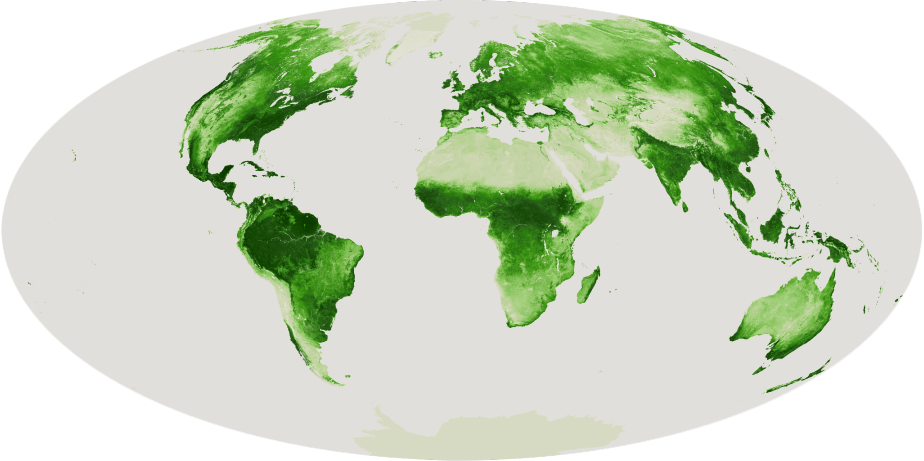
"Herbal Earth" by NASA Goddard Photo and Video is licensed under CC BY 2.0. Changes made.
social stigma.
What contributes the the social stigma of Lyme?
distorted info.
The public information on Lyme disease and its capabilities isn’t widely explained with accuracy. Word spreads from multiple sources who have different explanations of what it is, confusing the people.
press translation.
Some press outlets have been very irresponsible in conveying what Lyme is. Articles can frame Lyme as a vague illness, leading the public to doubt its true dangers and existence.
lack of funding.
Lyme disease receives around $50 million in federal funding annually. Sounds like a lot? Compare that to the $7.1 billion for cancer research, or the $35-$45 billion HIV research receives.
lyme is scary.
People fear what they don’t understand. When something misunderstood poses a true threat, it can cause people to shut down. It’s then easy to label it as illegitimate.
quick tick facts.
their spit numbs your skin.
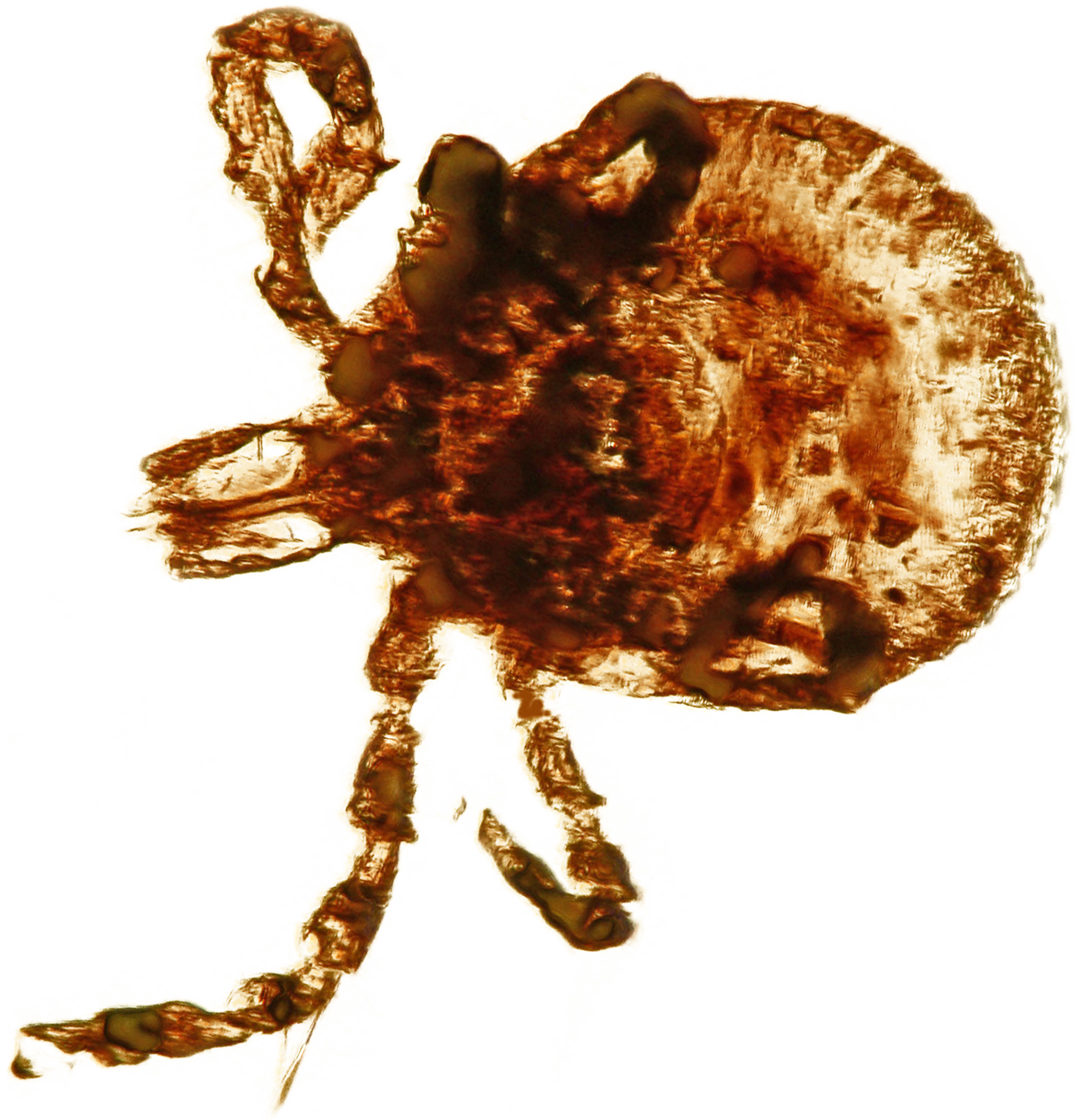
Tick saliva contains natural numbing compounds that block pain and suppress local itching, so you will not feel the bite happen.
they can be the size of a poppy seed.
Immature ticks (nymphs) are often no larger than a poppy seed or a freckle, making them very difficult to spot on the skin.
they stick out their arms to grab hosts.
They climb to the tops of bushes, grass, and weeds. They hold onto the plant with their back legs, and stick their arms out, waiting to grab onto a host.
"Tick carrying spirochetes" by Oregon State University is licensed under CC BY-SA 2.0 

 .
the tests aren’t quite accurate
the flaws of general lyme tests.
The general tests for Lyme disease are the ELISA & Western blot. They have their problems and aren’t very accurate, although they used to be more reliable.
here’s what happened.
1
the vaccine is created.
The vaccine trials began in 1994, and the completed vaccine called LYMERix, was licensed in 1998. The vaccine formula had an OspA base (OSP: outer-surface protein). OspA, OspB, and OspC are proteins found on the outside of the Lyme spirochete.
2
reactions raise concerns.
Between December 28, 1998 and July 31, 2000, 905 reports were made to VAERS about adverse events after the administration of the Lyme disease vaccine. Of these, 66 were classified as serious and resulted in a life-threatening illness or hospitalization.
3
failure to launch.
By 2002, SmithKline Beecham withdrew it from the market. Pasteur Mérieux Connaught decided not to apply for a license for its own Lyme vaccine candidate, despite already demonstrating its efficacy in a Phase III clinical trial.
but they didn’t just cancel the vaccine due to adverse reactions…
it gets worse.
The vaccine directly affected the accuracy of the Lyme test due to the formula containing a base that triggered bands 31 and 45 on the test(s) for patients after vaccination. Activated bands are used to diagnose Lyme disease.
long story “short.”
The vaccine, after administered, activated bands 31 and 45 on the western blot test because the OspA base triggered these bands. Activated bands diagnose Lyme.
The bands were removed entirely from the test as to not interact with the vaccine base. This rendered the test defective, much riskier than keeping the vaccine.
The Lyme vaccine was then unfairly removed after a small amount of adverse reactions with no greater risk than other vaccines.
The bands were never put back on the test, leading inaccurate testing to this day. Decades later, the world unknowingly faces the consequences of this poor choice.
click to expand.
-
Concerns arose about the OspA base of the vaccine potentially causing an autoimmune reaction in certain people with the HLA-DR4 gene (estimated 20%-40% of the population has this genetic mutation). Labs around the country found their Western blots glowing with almost every band lit as LYMErix recipients got tested for Lyme disease. Discounting the OspA band on the Western blot was a weak precaution; even with that step taken, virtually all vacinees tested positive for Lyme disease, whether they were infected or not.
Paul Fawcett, director of the immunology labs at the Alfred I. duPont Hospital for Children in Wilmington, Delaware (and a noted expert on Lyme disease serology) observed how the OspA vaccine lit up a wide range of bands specific to borrelia, the Lyme bacterium, on clinical trial patient tests. He then coordinated a study of twenty adult volunteers, all employees of the hospital, who received three vaccine doses each and submitted blood for analysis.
The band pattern was recorded by Philip J. Molloy, Medical Director of Imugen, the Massachusetts diagnostic lab, and David Persing, CMO of Cepheid and one of the top microbiologists on the scene at the time. Their investigation, published in Clinical Infectious Diseases, concluded the problem was not the vaccine but the western blot. They found the vaccination led to a pattern of bands, including CDC bands, on western blots.
It was all chaotic, how did researches ever manage to differ between vaccine reactions and Lyme disease itself? Some patients wondered if conflicts of interest and potential for profit contributed. The Dearborn panel voting on the western blot had particular bias potential. The nine voting consultants hired by the CDC included a scientist holding the patent for OspA, and the inventor of the canine Lyme vaccine, Lymevac. And Allan Steere, lead investigator for Lyme vaccine trials.
Sources: History of Vaccines - Read more: Lymedisease.org article
the story simplified
lymerix timeline review.
today, we still don’t have a lyme vaccine.
And even if we did, it still wouldn’t cover all of the complications of Lyme disease & co-infections.
But, a new Lyme disease vaccine called VLA15 is in phase 3 human trials as of 2025.
That’s the best we got (for now).
so, what would be better than a Lyme vaccine? this.
a tick-borne illness vaccine.
Would protect from a substantial amount of tick-borne pathogens such as
Bartonella
Babesia
Anaplasma
+more
medical gaslighting.
Those infected with Lyme disease and co-infections have braved this traumatizing experience
Medical gaslighting can be described as the invalidation and distortion of the patient’s experience by their doctor. Essentially, the doctor doesn’t believe them, usually with the doctor stating that their symptoms are created in their mind. It’s ‘all in your head’.
People all around the globe face the risk of medical gaslighting during doctor visits. Many doctors are attentive, considerate, and patient with their patients (no pun intended) and genuinely care. Sadly, this isn’t the case with everyone. It happens most often to women, especially women of color with black women being the most affected.
medical gaslighting tactics.
- Dismissive attitude
- Constant interruptions
- Condescending remarks
- Subtle persuasion

social abandonment.
Many people with chronic illness, including Lyme disease, have experienced some form of social abandonment. Let’s briefly break down this phenomenon:
-
Some people aren’t equipped with the skills to be present during crisis in ways the sick person needs. This is understandable. However, abandonment shouldn’t be the result just because someone has fallen ill. We are all able to get sick. No one is exclusive, and no one wants to be abandoned.
In brief:
Fear of death
Fear of seeing sickness
Fake friends/family
Lack of experience
Dunbar’s Number
-
First of all, it is never your fault if people abandon you after falling ill. Ever. You are not a burden.
We can explore many themes of the dynamic between a sick person and the people in their lives.
A health crisis can be on opportunity for everyone to look inward and ask themselves what beliefs they hold and what they make those mean. The most important thing is for communication to remain open and to talk with love and objectivity in mind.
Here are some articles to check out:
-
Sometimes we are exhausted emotionally and this can cause feelings of hopelessness and even thoughts of self harm. Here are some suggestions:
Seeking professional help to cope with isolation and loneliness (we know this isn’t always as accessible as it should be. Trauma therapy is usually more helpful than talk therapy in this case.
Joining support groups for the problem(s) you face
Resources:
If you or a loved one are in a crisis and need immediate assistance, please reach out for help
988 Suicide & Crisis Lifeline - Dial or text 988, available 24/7
Crisis Text Line – Text HOME to 741-741
The Trevor Project – Call 866-488-7386 or Text START to 678-678 / Crisis chat available here
Above Action
knowledge check.
Lyme disease may only go into remission in late stage.
Some patients have faced relapsing Lyme disease symptoms even after proper treatment of late stage.There are 52 known species of Borrelia. All spirochetes.
Of 52 known species of Borrelia, 20 are members of the Lyme disease group (additional 3 proposed).